Can dogs eat oats? It’s a question many pet owners ask when looking for healthy, budget-friendly meal additions for their furry friends. Oats are a common human food, but their safety for dogs isn’t always clear. The good news is that plain, cooked oats can be a nutritious treat for most dogs when given in moderation. They’re packed with fiber, vitamins, and minerals that support digestion and energy levels. Plus, they’re gentle on sensitive stomachs, making them a great option for pups with food sensitivities.
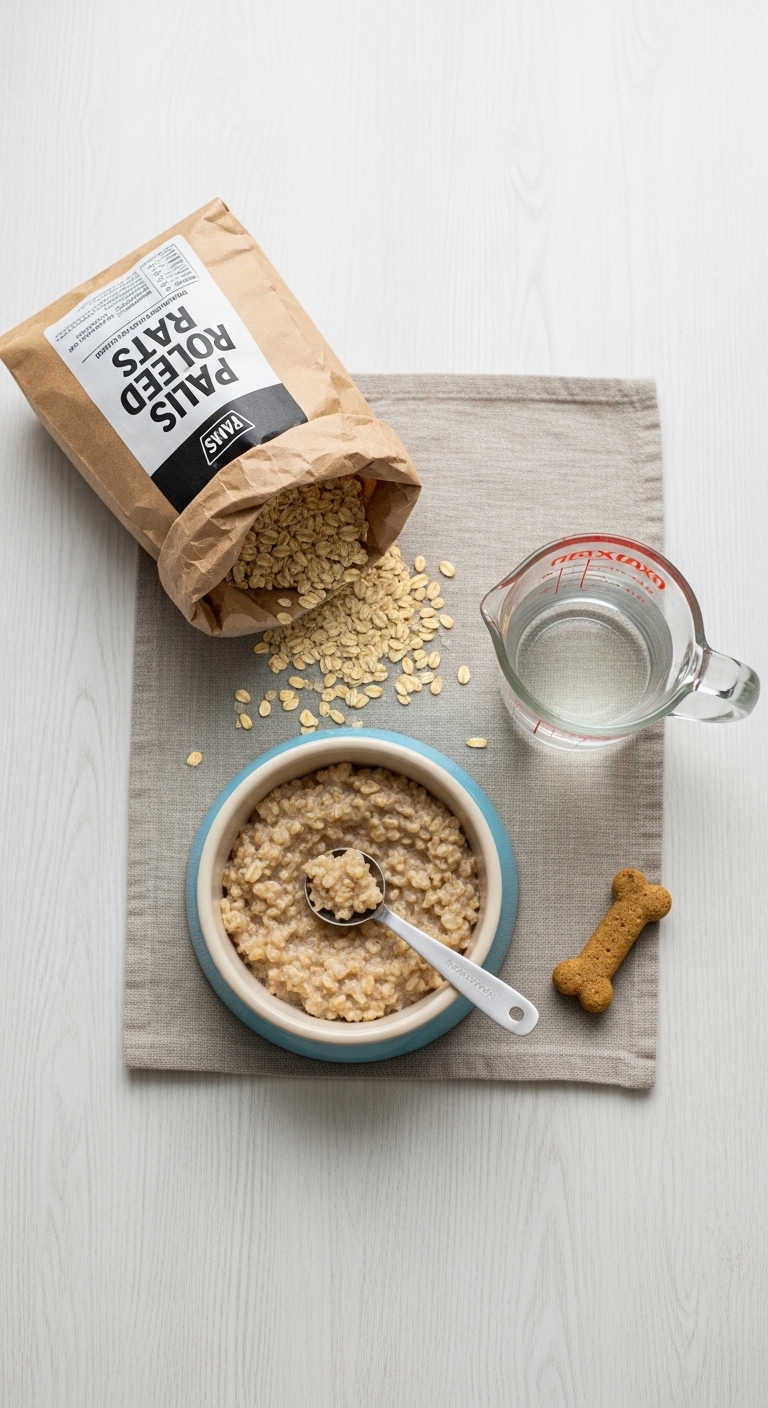
A small bowl of oats can be a cozy, comforting meal for a dog on a chilly morning just like it is for humans.
Key Things to Understand
- Plain oats are safe for dogs: but avoid flavored or instant varieties with added sugars or artificial ingredients.
- Cooked oats are easier to digest: than raw ones, so always serve them plain and soft.
- Portion control matters: too much can lead to digestive upset or weight gain.
- Introduce oats gradually: to see how your dog reacts, especially if they have a sensitive stomach.
- Avoid toppings: like butter, milk, or sweeteners, as these can cause issues for dogs.
What to Look For
Watch for signs that oats agree with your dog, like improved digestion or steady energy levels. If your pup has a sensitive stomach, start with a small amount and monitor for any changes in stool or behavior. Look for plain oats without added flavors or preservatives, as these can contain ingredients that are harmful to dogs. If you’re using oats as a meal topper, check that your dog isn’t filling up on them at the expense of their regular balanced diet. For dogs with allergies, introduce oats slowly and watch for any itching or discomfort.
I once met a rescue dog who thrived on oats mixed into his kibble: it made mealtime more exciting for him without any downsides.
Oats as a Meal Supplement
If you’re looking to add variety to your dog’s diet, oats can be a great supplement. Mix a spoonful into their regular food to add fiber and nutrients without overhauling their meals. This works especially well for older dogs who may need a little extra help with digestion. Just keep the portions small to avoid disrupting their usual eating habits.
Choosing the Right Type of Oats
Not all oats are created equal when it comes to dogs. Steel-cut or rolled oats are the best choices because they’re less processed and easier to digest. Instant oats often contain additives that aren’t ideal for pets, so it’s best to stick with plain, whole-grain options. If you’re unsure, check the ingredient list for anything besides oats: if it’s not just oats, skip it.
Safety and Preparation Tips
Never feed your dog raw oats, as they’re hard to digest and can cause stomach upset. Cook them plain in water or a low-sodium broth for extra flavor. Avoid adding any seasonings, sugar, or dairy, as these can lead to digestive issues. If your dog has never had oats before, start with a small amount to see how they react before making it a regular part of their diet.
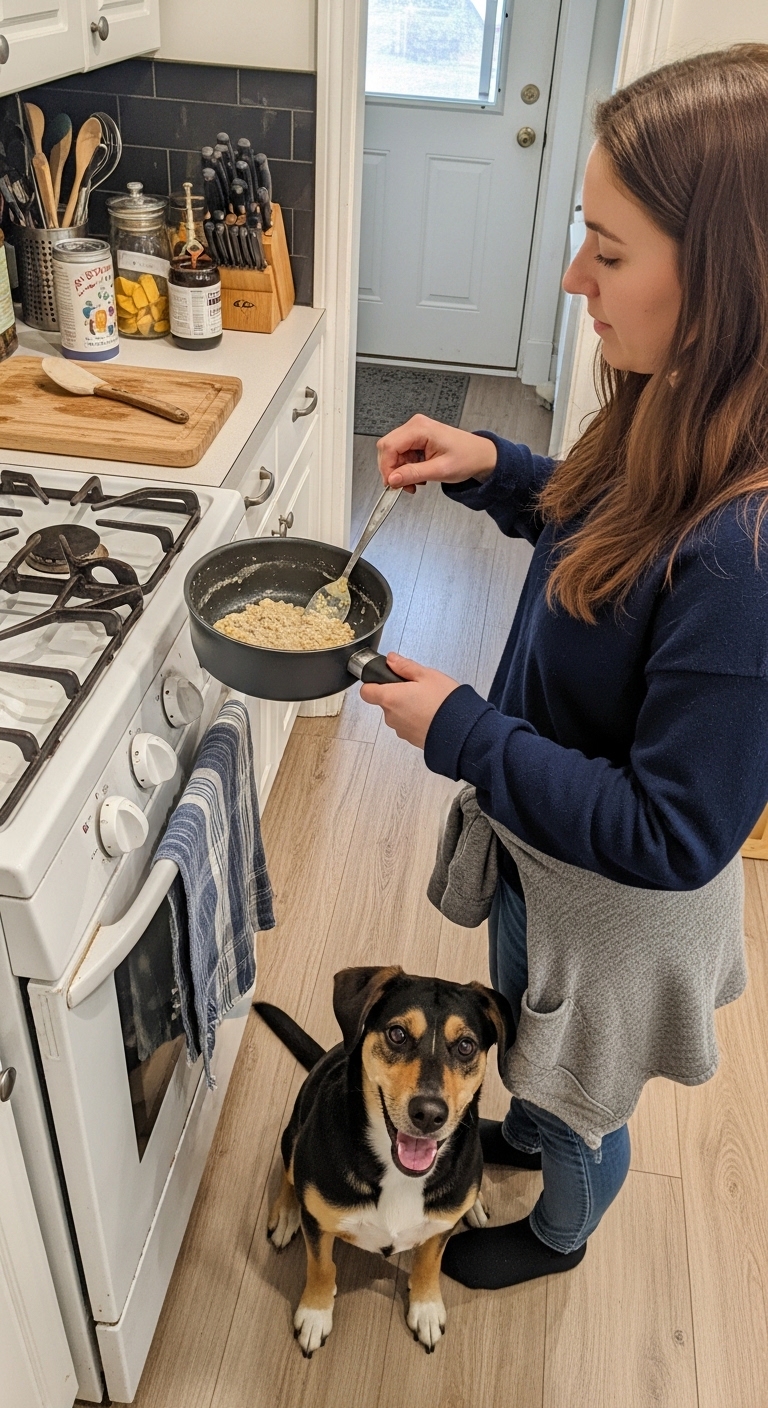
Plain, cooked oats can be a simple and healthy addition to your dog’s diet when given in moderation. Always prioritize balance and consult your vet for personalized advice.
Frequently Asked Questions
- → Are oats safe for all dogs?
Oats are generally safe for most dogs, but individual tolerance varies. Some dogs may have allergies or sensitivities to grains, so introduce them gradually and monitor for any adverse reactions like itching or digestive issues.
- → How should I prepare oats for my dog?
Cook plain oats in water or low-sodium broth without any additives like sugar, salt, or flavorings. Avoid instant oats, as they often contain preservatives. Let them cool before serving to prevent burns.
- → Can oats help with my dog’s digestion?
Yes! Oats are high in soluble fiber, which can aid digestion and regulate bowel movements. They are especially helpful for dogs with constipation or irregular stools. However, too much fiber can cause bloating or gas, so serve in moderation.
- → Are there any risks to feeding oats to dogs?
The main risks include digestive upset from overconsumption or allergic reactions. Flavored oats with additives like xylitol (a toxic sweetener) or excessive sugar can also be dangerous. Always choose plain, unflavored oats.
- → How much oats can I give my dog?
A good rule is to keep oats as a treat, making up no more than 10% of your dog’s daily caloric intake. For small dogs, start with 1-2 tablespoons; for larger dogs, 2-4 tablespoons. Adjust based on your dog’s size and tolerance.
- → Can diabetic dogs eat oats?
Oats have a moderate glycemic index, so they can be included in a diabetic dog’s diet in small amounts. However, monitor your dog’s blood sugar levels and consult your vet to ensure they fit into their meal plan safely.