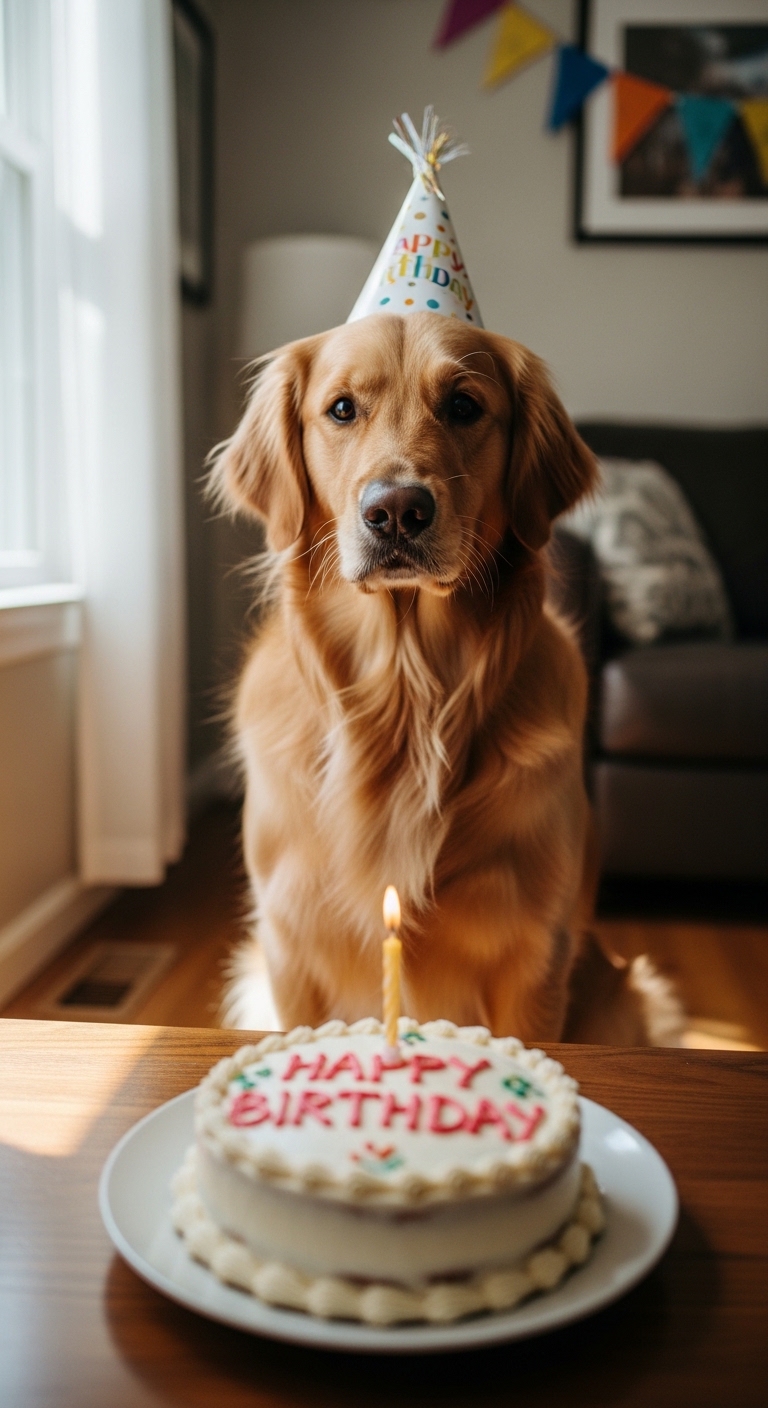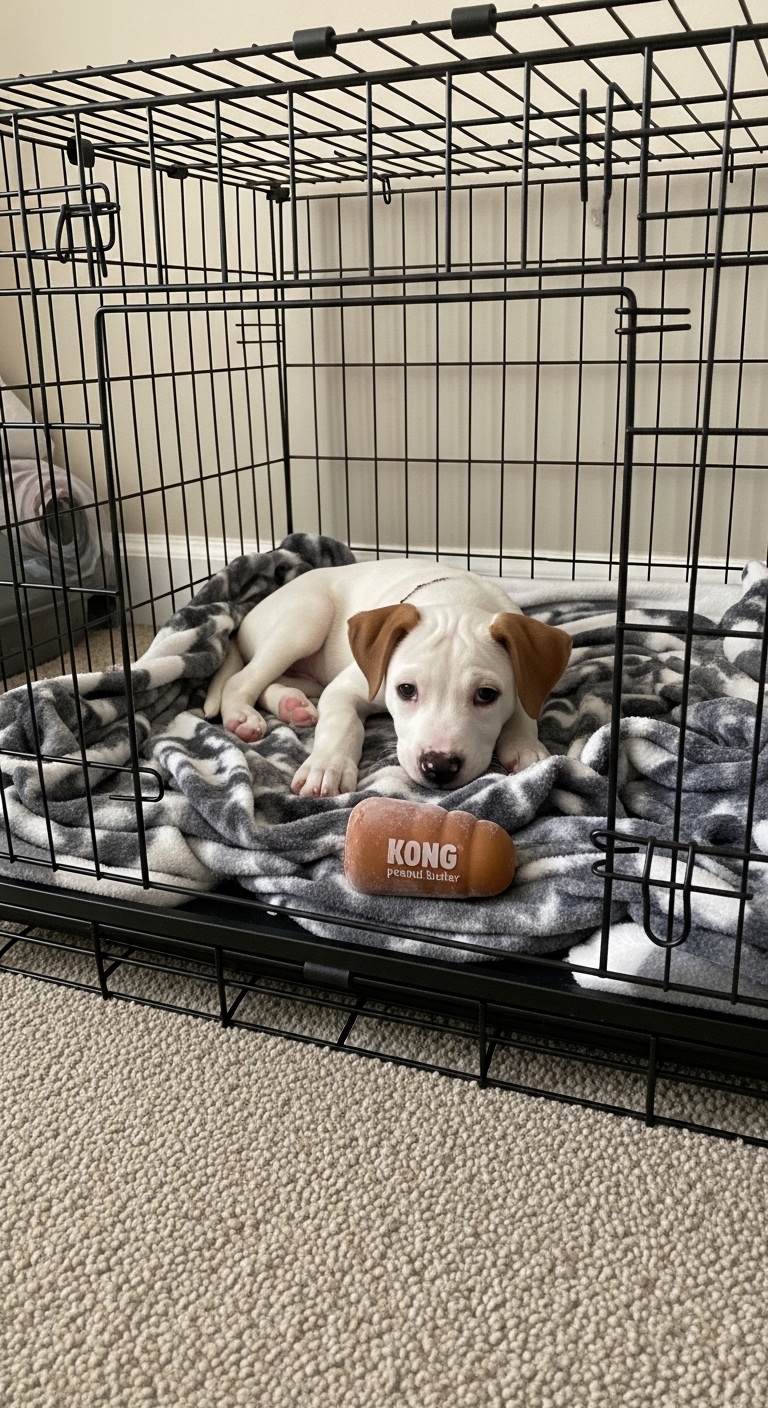
Basic dog commands training tips matter because they help you communicate clearly with your dog, making daily walks, vet visits, and home life smoother. Whether you're dealing with a new puppy or an older dog learning new habits, these commands build trust and prevent frustration for both of you. A well-trained dog isn’t just easier to live with: it’s safer too, especially around distractions or potential dangers. Training strengthens your bond and gives your dog confidence in knowing what’s expected.
I still remember the first time my rescue dog responded to “leave it” when he lunged at a dropped pill on the floor. That moment made all the early training sessions worth it.
Key Things to Understand
- Consistency is key: Training works best when you’re consistent with your words and rewards
- Short sessions work best: Short, frequent sessions keep your dog engaged without overwhelming them
- Body language matters: Body language matters as much as the command itself: stay calm and patient
- Focus on one command: Start with one command at a time before adding new ones
- End positively: Always end on a positive note, even if progress feels slow
What to Look For
Watch how your dog responds to your tone of voice and body cues during training. A relaxed posture with perked ears usually means they’re focused, while a tucked tail or avoiding eye contact suggests they’re stressed or confused. Pay attention to their energy level too: if they’re too excited or tired, they won’t absorb the lesson as well. Over time, you’ll notice which commands come naturally to your dog and which ones need extra patience.
I once met a dog owner who used “sit” and “stay” interchangeably, which confused their pup completely. Switching to one command per action made a huge difference. Remember that training isn’t just about obedience: it’s about giving your dog the tools to understand and succeed in your world.
Daily care habits
Training doesn’t stop at commands: it fits into your daily routine naturally. Try practicing “sit” before meals or “come” when calling your dog inside after playtime. These small moments reinforce learning without feeling like a chore. Over time, your dog will start responding automatically, making everyday tasks easier for both of you.
Choosing the right product
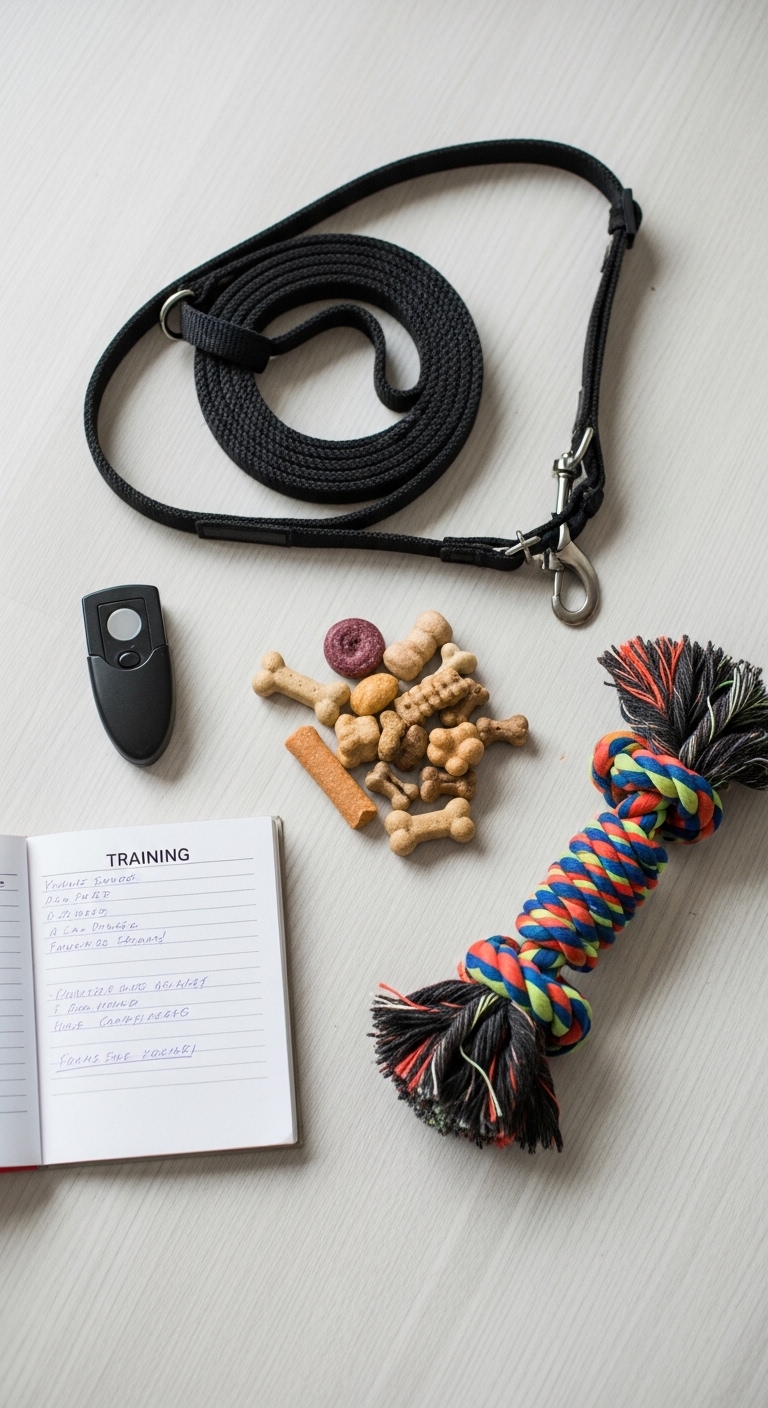
Not all training treats are created equal. Soft, smelly treats work best for quick rewards, while crunchy ones can double as a dental treat. Avoid anything too hard that might distract your dog from focusing on the command. If your dog isn’t food-motivated, experiment with praise, petting, or a favorite toy instead.
Safety and comfort
Always train in a distraction-free zone at first, especially with puppies. A quiet room or fenced yard works better than a busy park until your dog reliably follows commands. Watch for signs of stress like excessive panting or yawning, and take breaks if needed. Your dog’s comfort comes first: training should never feel like a battle.
Common mistakes to avoid
Skipping the basics like “sit” or “come” before jumping to tricks can lead to confusion. Using the same command for different actions (e.g., “down” for lying down and “off” for jumping) creates mixed signals. Training when you’re frustrated can backfire, as your dog picks up on your energy. Assuming your dog will generalize commands to new places without practice is another common error.
I’ve seen so many owners rush through training because they’re excited to teach fun tricks. But skipping the fundamentals often leads to confusion later. Take it step by step, and your dog will thank you with better focus and confidence.
Cleaning and hygiene
Training also helps with grooming and vet visits. Commands like “paw” or “stay” make nail trims and baths less stressful for both of you. If your dog resists handling, start by touching their paws gently during playtime, then reward with treats. Over time, they’ll associate these actions with positive experiences instead of fear.
Indoor routines
Use training to manage indoor behavior too. “Place” can teach your dog to settle on their bed instead of begging at the table, while “leave it” prevents them from grabbing dropped food. These commands turn chaotic moments into calm ones, making your home life more peaceful.
Outdoor routines
Leash training is one of the most important outdoor skills. Start indoors with the leash on, rewarding your dog for walking beside you without pulling. Once they get the hang of it, practice in your driveway or a quiet street. A well-trained dog on a leash isn’t just easier to walk: it’s safer around traffic and other animals.
Seasonal adjustments
In winter, commands like “paw” help with snow removal from their paws, and “come” keeps them from darting onto icy surfaces. Summer brings new distractions like squirrels or picnics, so reinforcing “leave it” prevents unwanted scavenging. Adjust your training focus with the seasons to keep your dog safe year-round.
Age-specific advice
Puppies need short, playful sessions: think 5 minutes of training followed by a nap. Older dogs might take longer to learn but can still master commands with patience. If your senior dog struggles with mobility, focus on mental stimulation through gentle training rather than physical demands.
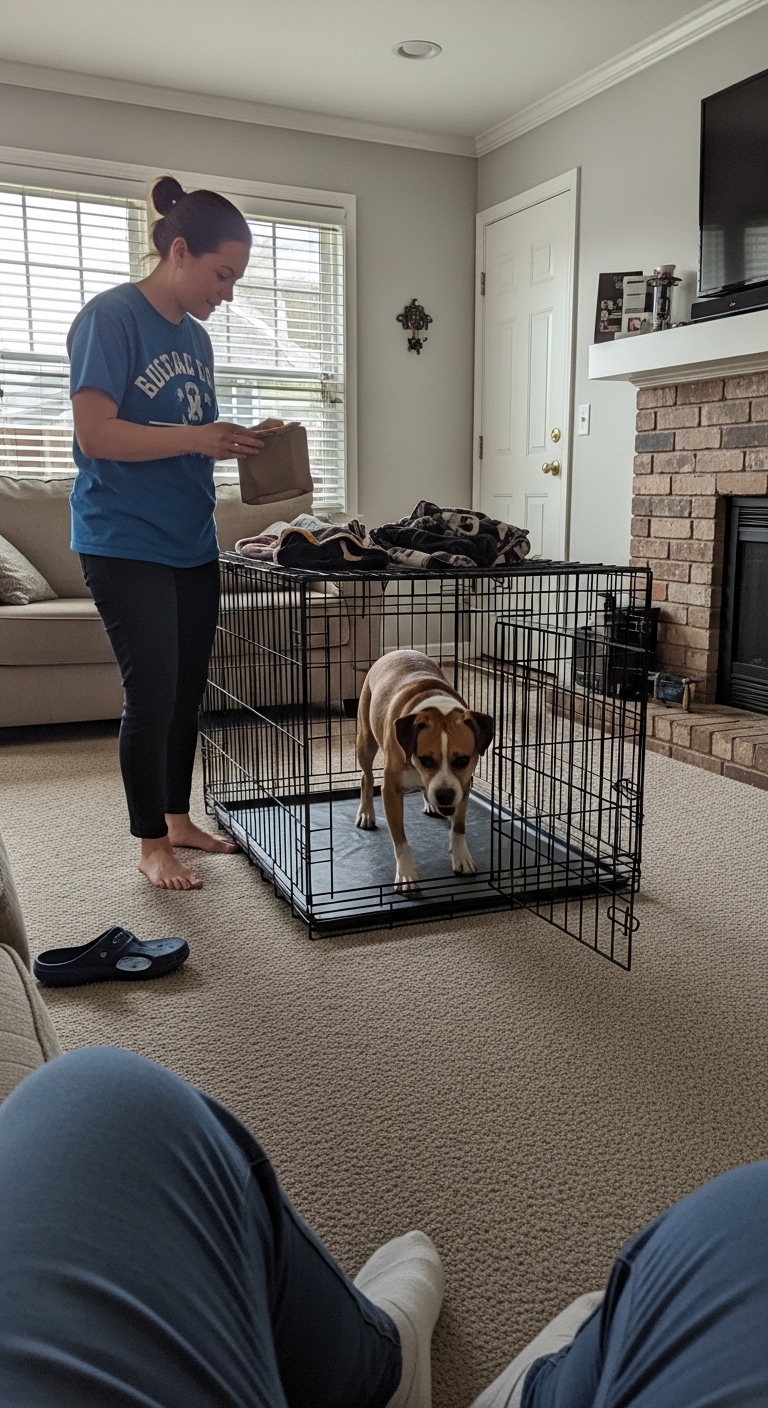
Training your dog isn’t about perfection: it’s about progress and connection. Even small steps, like your dog holding a “sit” for a few seconds longer, are victories worth celebrating.
Frequently Asked Questions
- → How do I start training my dog basic commands?
Begin with short, positive sessions using treats and praise. Start with simple commands like 'sit' or 'stay' in a quiet environment to minimize distractions.
- → What’s the best way to teach my dog to 'sit'?
Hold a treat above your dog’s nose and slowly move it back over their head. As their bottom lowers, say 'sit' and reward them immediately.
- → How long should training sessions be?
Keep sessions short—5 to 10 minutes—to prevent your dog from getting bored or frustrated. Consistency is more important than duration.
- → Can I train an older dog basic commands?
Absolutely! Older dogs can learn new commands with patience and positive reinforcement. Adjust the pace to suit their learning style.
- → What if my dog doesn’t respond to commands?
Check for distractions or if the command is too complex. Break it down into smaller steps and reward small successes to build confidence.
- → Should I use a clicker for training?
Clickers can be effective as they provide a clear sound marker for correct behavior. Pair the click with treats to reinforce learning.