Mashed potatoes can be a safe treat for dogs in moderation, but there are important considerations to keep in mind. Potatoes themselves are non-toxic to dogs, but ingredients commonly added to mashed potatoes—like butter, milk, garlic, or onions—can be harmful.
Plain, boiled potatoes without seasoning are the safest option. Avoid adding salt, pepper, or dairy, as these can upset your dog’s stomach. Small portions are key, as too much can lead to digestive issues or weight gain due to the carbohydrate content.
Always introduce new foods gradually and monitor your dog for any adverse reactions, such as vomiting or diarrhea. If your dog has health conditions like diabetes or obesity, consult your vet before offering mashed potatoes.
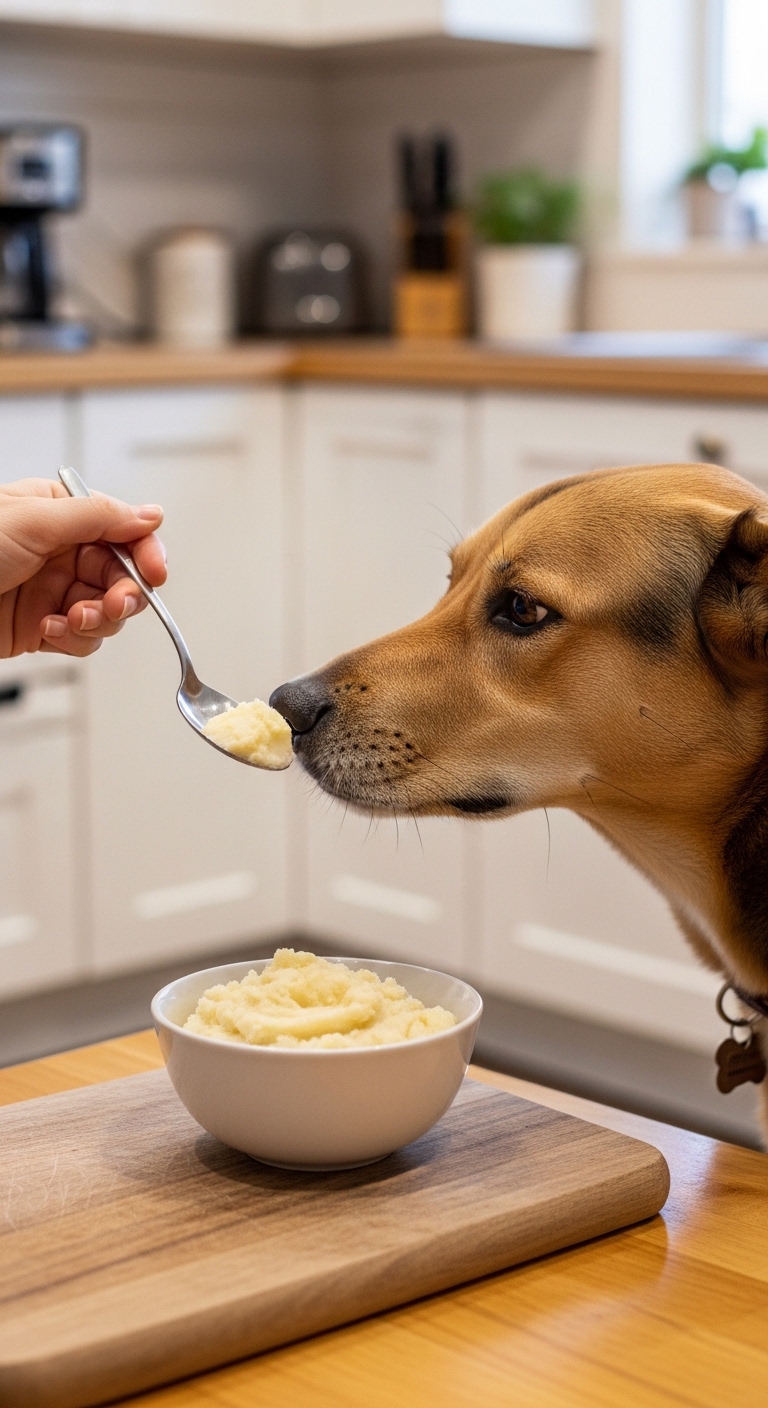
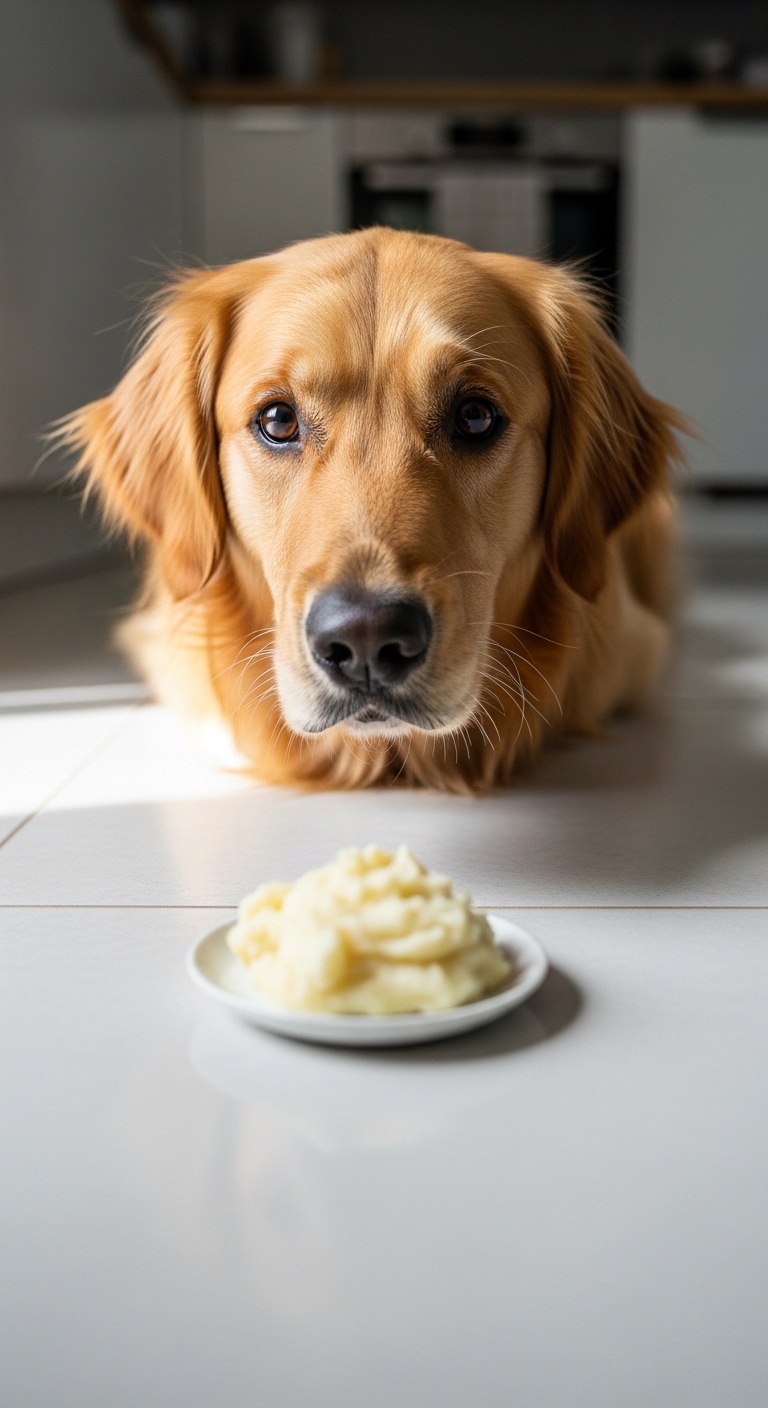
PinA dog is looking at a plate of mashed potatoes. | petcarepicked.com
Mashed potatoes are a comfort food staple in many households, and it’s natural to wonder if your dog can safely enjoy a bite or two. While plain mashed potatoes in small amounts are generally non-toxic, the way they’re prepared often makes them risky for dogs. Understanding what’s safe and what’s not can help you avoid accidental poisoning or digestive upset.
Why This Topic Helps: Plain mashed potatoes without additives can be a source of vitamins and energy for dogs. Knowing which ingredients to avoid can prevent serious health issues like pancreatitis or toxicity. Portion control guidance helps prevent weight gain or stomach troubles. Recognizing signs of intolerance ensures quick action if your dog reacts poorly.
Most dogs love the taste of human food, but their digestive systems aren’t built like ours. A small spoonful of plain mashed potatoes might be fine for some, but it’s the extras that usually cause problems.
Key Things to Understand: Butter and cream are high in fat and can trigger pancreatitis in dogs, especially in breeds prone to the condition. Onions, garlic, and chives are toxic to dogs and can damage their red blood cells, even in small amounts. Salt can lead to excessive thirst, urination, or even sodium ion poisoning in large quantities.
Milk or dairy in mashed potatoes may cause lactose intolerance symptoms like diarrhea or gas. Plain, unseasoned mashed potatoes in moderation are the only safe option, but they offer limited nutritional value for dogs.
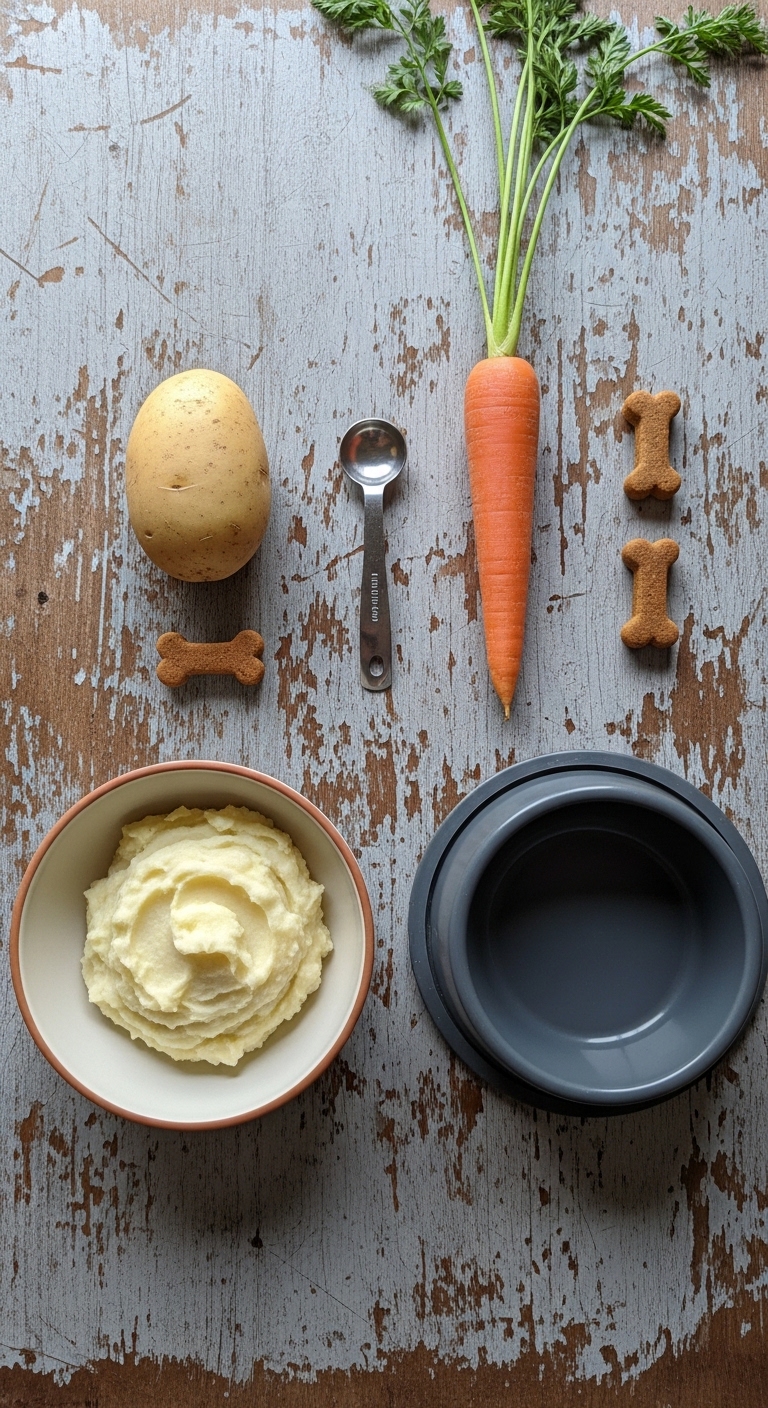
A bowl of mashed potatoes and a carrot on a table. | petcarepicked.com
What to Look For: Check the ingredient list for anything beyond potatoes, water, and a tiny bit of plain yogurt if you’re making it yourself. Store-bought or restaurant mashed potatoes almost always contain butter, salt, garlic, or other harmful additives.
Watch your dog’s reaction after eating even a small amount—signs like vomiting, diarrhea, lethargy, or excessive thirst could indicate a problem. If your dog has a sensitive stomach or a history of pancreatitis, it’s best to skip mashed potatoes entirely. Also, consider the texture; lumpy or overly thick mashed potatoes can be a choking hazard for smaller dogs or those who gulp their food.
You Must Know: Plain mashed potatoes are not toxic but offer little nutritional benefit for dogs. Butter, cream, garlic, onions, and salt are common dangerous additives. Even small amounts of toxic ingredients can cause serious health issues over time.
Many pet owners assume that because potatoes are a vegetable, they’re automatically healthy for dogs. But the preparation method changes everything. A dog might beg for a taste, but it’s your job to ensure what they’re eating won’t harm them.
A dog eating mashed potatoes. | petcarepicked.com
Healthier Alternatives to Mashed Potatoes: If you want to share a potato-based treat with your dog, consider plain boiled or baked potatoes without any seasoning. Sweet potatoes are another great option, as they’re packed with fiber and vitamins. Just remember to serve them plain and in small portions. You can also mash sweet potatoes at home without any additives for a safer alternative.
Portion Control and Frequency: Even safe foods can cause issues if given in excess. Mashed potatoes, even plain ones, are high in carbohydrates, which can contribute to weight gain if fed regularly. Treat mashed potatoes as an occasional snack, not a meal replacement. A good rule of thumb is to ensure treats make up no more than 10% of your dog’s daily caloric intake.
Signs of Trouble After Eating: If your dog eats mashed potatoes with unsafe ingredients, watch for symptoms like vomiting, diarrhea, excessive drooling, or lethargy. In severe cases, especially with garlic or onion toxicity, you might notice pale gums, weakness, or collapse. If you suspect your dog has ingested something toxic, contact your vet or an emergency pet poison hotline immediately.
When in Doubt, Skip It: The safest approach is to avoid sharing mashed potatoes with your dog unless you’ve prepared them specifically for them—plain, with no additives. There are plenty of dog-friendly treats and foods that are both safe and nutritious, so it’s not worth the risk of accidentally feeding your dog something harmful.
Pro Tips: Always check with your vet before introducing any new human food to your dog’s diet, especially if your dog has health conditions. If you’re making mashed potatoes for your dog, use only potatoes and water, and serve in very small amounts. Keep a list of toxic foods for dogs on your fridge as a quick reference to avoid accidental feedings.
Frequently Asked Questions
→ Are mashed potatoes safe for dogs to eat?
Plain, boiled mashed potatoes without seasoning are generally safe for dogs in small amounts. However, avoid ingredients like butter, milk, garlic, or onions, which can be toxic.
→ Can dogs eat mashed potatoes with butter?
Butter is high in fat and can cause digestive upset or pancreatitis in dogs. It's best to avoid butter when preparing mashed potatoes for your pet.
→ What are the risks of feeding dogs mashed potatoes?
Risks include digestive issues from dairy or seasonings, weight gain from excess carbohydrates, and potential toxicity from ingredients like garlic or onions.
→ How much mashed potato can I give my dog?
Offer mashed potatoes as an occasional treat in very small portions—no more than a tablespoon or two for small dogs, and up to a quarter cup for larger breeds.
→ Can diabetic dogs eat mashed potatoes?
Mashed potatoes are high in carbohydrates, which can spike blood sugar. Diabetic dogs should avoid them unless approved by a veterinarian in strict moderation.
→ What should I avoid adding to mashed potatoes for dogs?
Avoid salt, pepper, butter, milk, garlic, onions, and other seasonings. Stick to plain, boiled potatoes for the safest option.
Stay Updated
Get the latest articles delivered straight to your inbox. No spam, just great inspiration!

 Pin
Pin