
 Pin
Pin
Understanding the dietary needs of dogs is essential for any pet owner. One question that often comes up is whether dogs can eat sardines. This matters because sardines can be a healthy addition to your dog's diet, offering benefits such as omega-3 fatty acids and protein. Knowing how to incorporate this fish into their meals can improve their overall health and happiness.
Incorporating new foods into your dog's diet can feel daunting, but understanding the benefits can lead to a happier, healthier pet. It’s all about balance and knowing what works for your furry friend.
Key Things to Understand
- Sardines are rich in omega-3 fatty acids: which support a healthy coat and skin
- They provide a good source of protein: which is essential for muscle health
- Sardines are low in mercury: compared to other fish making them safer for regular consumption
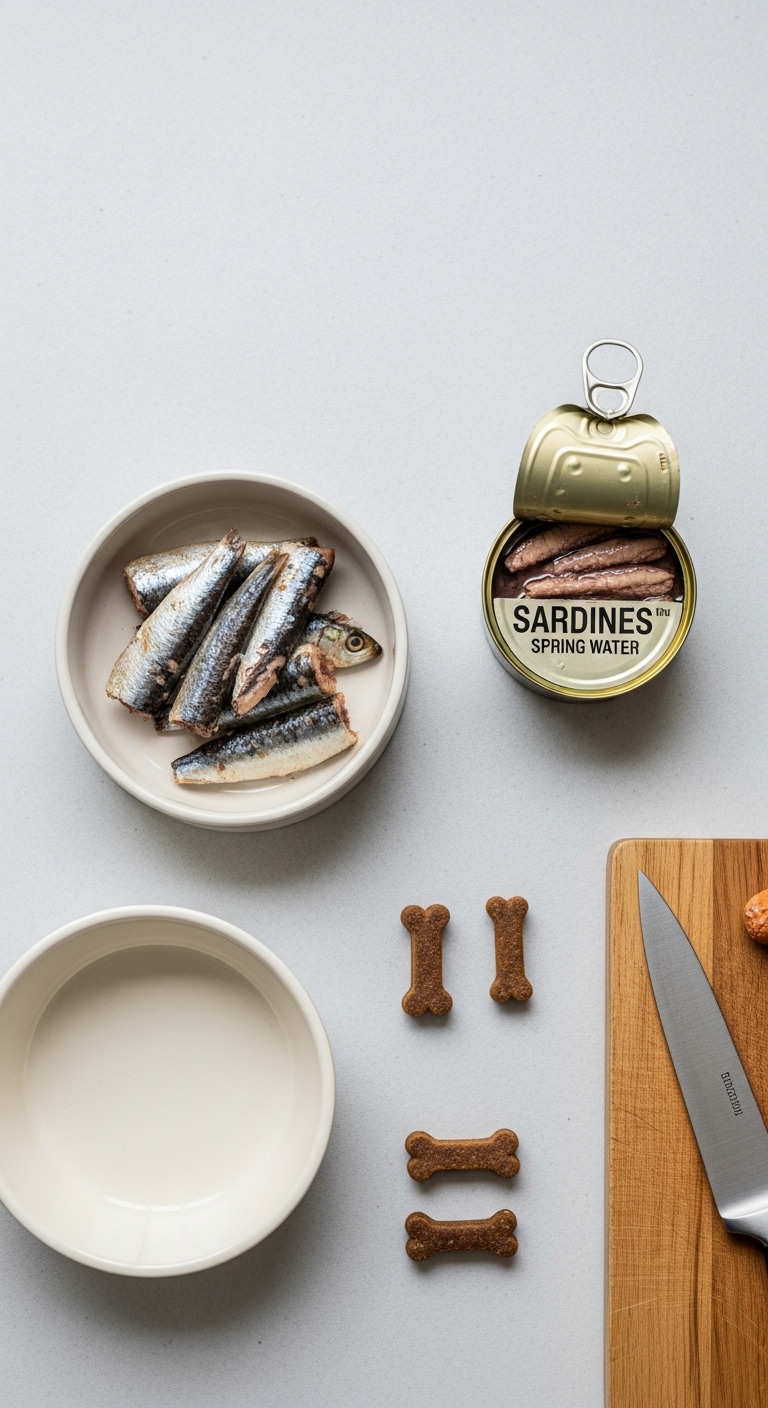
- Canned sardines should be packed in water: without added salt or oil for the healthiest option
What to Look For
When considering adding sardines to your dog's diet, pay attention to how they react to new foods. Monitor for any signs of allergies or digestive issues such as vomiting or diarrhea after introducing sardines. Choosing high-quality brands that use minimal preservatives can also make a significant difference in your dog's health. Additionally, ensure that sardines are served in moderation to avoid overfeeding and potential weight gain.
Dogs often thrive on variety, but it's essential to ensure any new food aligns with their specific dietary needs. A common mistake is to introduce too many new foods at once, which can lead to confusion and digestive issues for your pet. Remember, patience and observation are key to a successful diet transition.
Daily Care Habits
Establishing a consistent feeding routine is crucial for your dog's health. Incorporate sardines as an occasional treat or mix them into their regular meals a few times a week. Ensure that their primary diet consists of high-quality dog food that meets their nutritional needs, while sardines serve as a beneficial supplement.
Choosing the Right Product
When selecting sardines for your dog, look for options that are packed in water without added salt or preservatives. Fresh sardines can also be a great choice if you have access to them. Always check the expiration date on canned products and ensure the packaging is intact to avoid spoilage.
Safety and Comfort
While sardines can be a healthy addition to your dog's diet, it’s important to ensure that they are served in a safe manner. Remove any bones before feeding to prevent choking. Additionally, observe your dog for any signs of discomfort or allergic reactions after introducing sardines into their meals.

Incorporating sardines into your dog's diet can enhance their health and provide a tasty treat. Always prioritize your pet's specific needs and consult with a vet for tailored advice.
Frequently Asked Questions
- → Are sardines safe for all dogs?
Most dogs can safely eat sardines in moderation, but individual tolerance varies. Puppies, senior dogs, or those with kidney issues should consult a vet first. Always start with small portions to check for adverse reactions.
- → How often can I feed sardines to my dog?
Limit sardines to 1-2 times per week for small dogs and up to 3 times for larger breeds. Overfeeding may lead to digestive issues or excess fat intake. Balance with their regular diet.
- → What type of sardines is best for dogs?
Choose plain, water-packed sardines with no added salt, oil, or seasonings. Avoid smoked or salted varieties. Fresh or frozen sardines (boneless) are ideal for serving.
- → Can sardines replace fish oil supplements?
Sardines provide natural omega-3s, but they shouldn’t fully replace dedicated fish oil supplements unless approved by your vet. Supplements offer precise dosing for therapeutic benefits.
- → What are the signs of sardine allergies in dogs?
Watch for itching, redness, vomiting, or diarrhea after feeding sardines. Severe reactions like swelling or difficulty breathing require immediate vet attention. Discontinue use if symptoms appear.
- → How should I prepare sardines for my dog?
Drain and rinse canned sardines thoroughly. Remove any bones, then mash or chop them into small pieces. Serve plain or mix with their regular food for a tasty boost.