 Pin
Pin
Plain, cooked white rice can be a gentle and easily digestible food for dogs, especially when they have an upset stomach or need a bland diet. It is a simple way to provide energy without irritating their digestive system.
I have seen many dogs recover quickly from mild stomach upsets after a day or two of plain rice mixed with boiled chicken. It is a go-to remedy that vets often recommend, but it is important to keep it simple and avoid seasonings.
Key Things to Understand
- Plain cooked white rice is safe for dogs in moderation: It is easy to digest and gentle on the stomach
- Avoid adding salt, butter, or spices: These can be harmful to dogs
- White rice should not replace a balanced diet long term: It lacks essential nutrients
- Dogs with diabetes should only have rice in very small amounts: Due to its high glycemic index
- Overfeeding rice can lead to weight gain or nutritional imbalances: Monitor portion sizes carefully
What to Look For
When offering white rice to your dog, the first thing to check is that it is fully cooked and plain. There should be no added seasonings, oils, or sauces, as these can cause digestive upset or even toxicity. Observe your dog’s reaction after eating rice for the first time. If they show signs of discomfort, such as vomiting, diarrhea, or lethargy, discontinue use and consult your vet.
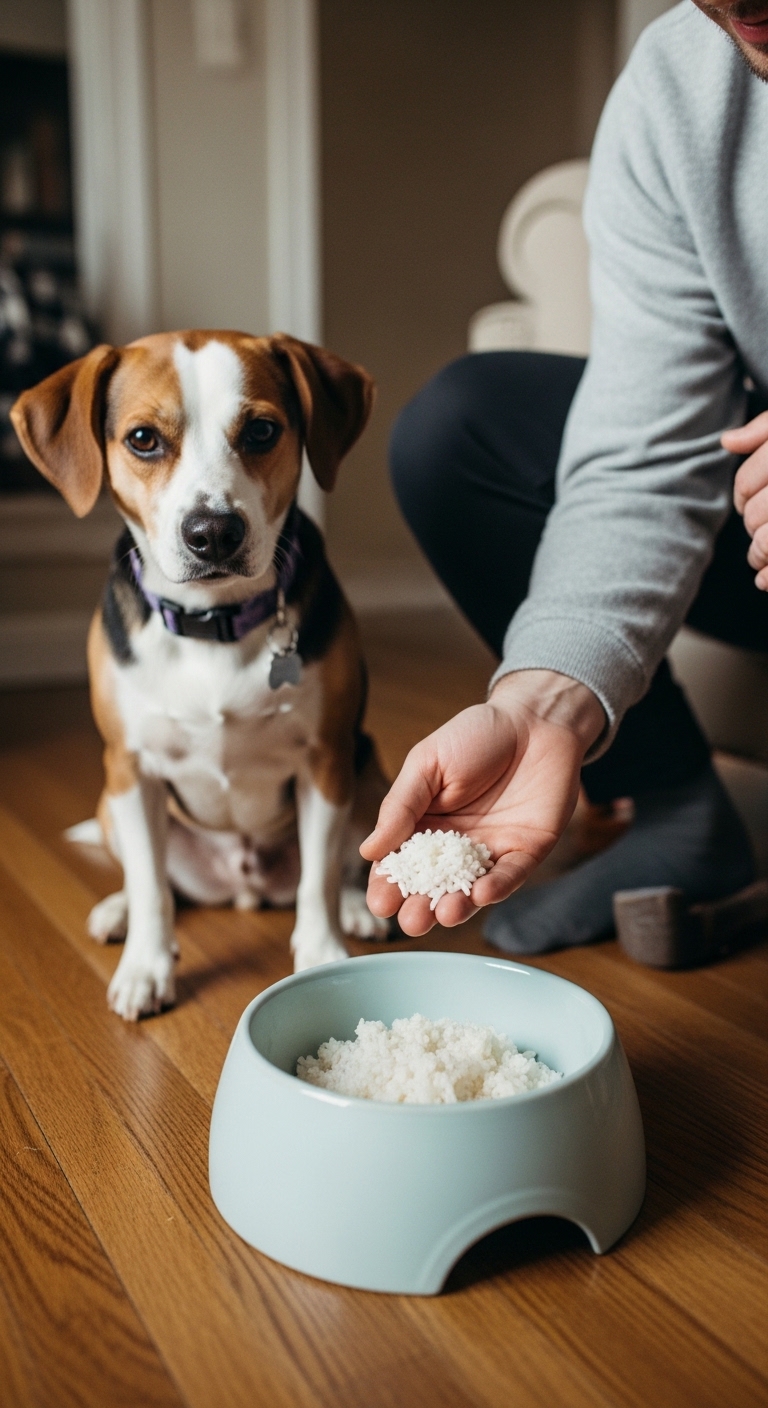
You should also consider the portion size. For small dogs, a few tablespoons are enough, while larger dogs can have up to half a cup mixed with their regular food. Always introduce new foods gradually to monitor for any adverse reactions.
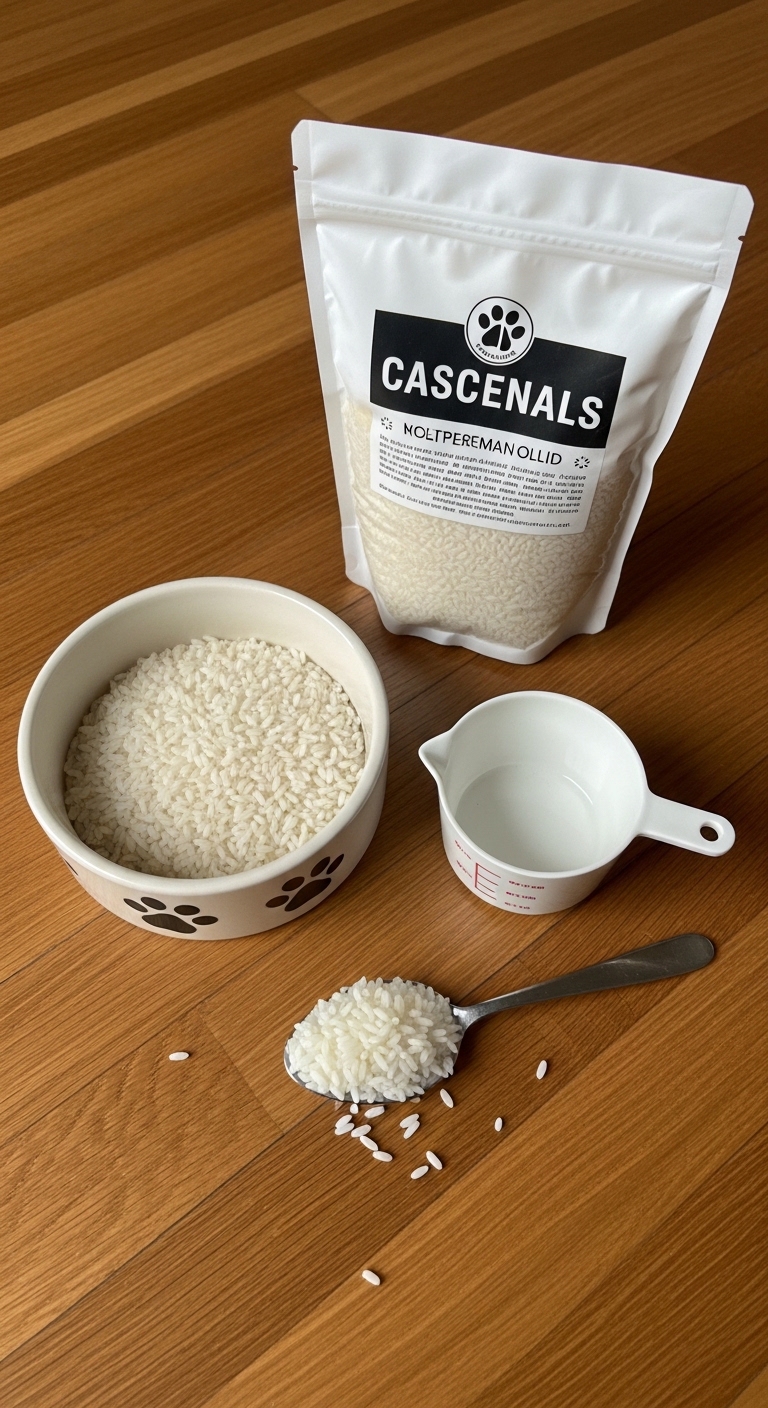
One common mistake is assuming that because rice is safe, it can be given freely. Even healthy dogs can gain weight if rice becomes a regular part of their diet without adjusting their overall food intake. Always balance it with their usual meals.
Daily care habits
If your dog is recovering from an upset stomach, a bland diet of rice and boiled chicken can help settle their digestion. Start with small portions and gradually reintroduce their regular food over a few days. This approach gives their stomach time to heal without overwhelming it.
Choosing the right product
When buying rice for your dog, opt for plain white rice without any added flavors or preservatives. Brown rice is also safe but can be harder to digest for some dogs, so white rice is often the better choice for sensitive stomachs.
Safety and comfort
Always ensure the rice is cooked thoroughly and cooled before serving. Hot rice can burn your dog’s mouth, and undercooked rice may be difficult to digest. Serve it at room temperature to avoid any discomfort.
Plain white rice can be a helpful addition to your dog’s diet when used correctly. Always prioritize their health and consult a professional if unsure.
Frequently Asked Questions
- → Is white rice safe for all dogs?
White rice is safe for most dogs in moderation, but it’s best to introduce it gradually. Dogs with diabetes, obesity, or specific dietary needs should consult a vet before including it in their diet.
- → How much white rice can I feed my dog?
Start with small amounts, such as 1-2 tablespoons for small dogs or up to ¼ cup for larger breeds, mixed into their regular food. Monitor for any digestive changes.
- → Can white rice help with dog diarrhea?
Yes, plain white rice can help firm up stools due to its bland nature. Combine it with boiled chicken or pumpkin for added benefits during digestive issues.
- → Should I season white rice for my dog?
No, avoid adding salt, butter, or spices. Plain, cooked white rice is safest. Seasonings can upset your dog’s stomach or contain harmful ingredients.
- → Is brown rice better than white rice for dogs?
Brown rice is more nutritious, containing fiber and more vitamins, but white rice is easier to digest. Choose based on your dog’s needs and vet recommendations.
- → Can puppies eat white rice?
Yes, puppies can eat plain white rice in small amounts. Ensure it’s part of a balanced diet and not their primary food source, as puppies need more protein and nutrients.