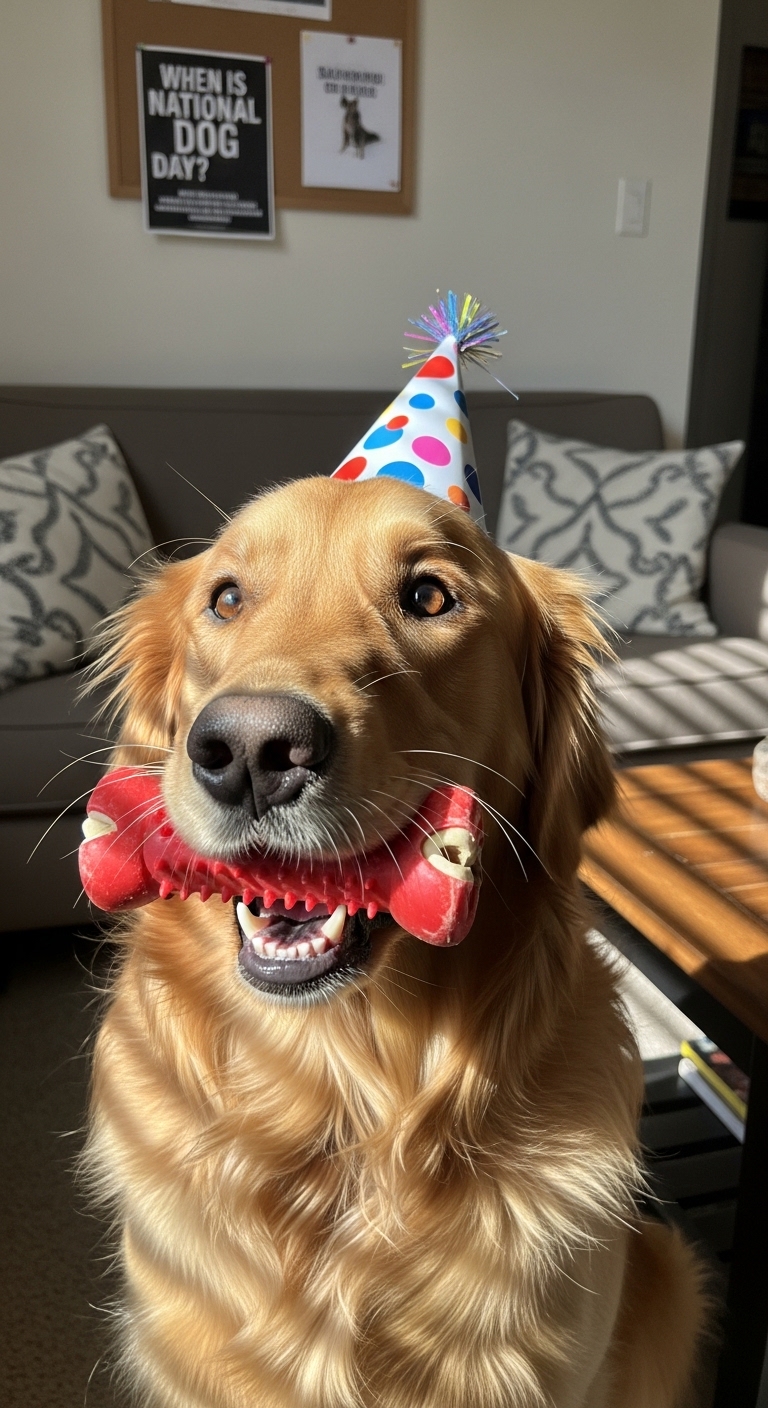
The "dog days" aren't just a phrase about hot weather: they're a real stretch of summer when dogs seem extra sluggish, pant more, or just act differently. If you've noticed your pup slowing down or avoiding midday walks, you're not alone. These weeks can be tough on pets, especially those with thicker coats or older joints. Understanding what's happening helps you adjust routines, keep them comfortable, and even spot when something more serious might be going on.
I remember last summer, my neighbor's bulldog refused to go outside after 10 AM. At first, we thought he was just being stubborn, but it turned out his breathing was labored. A quick check with the vet confirmed he needed extra hydration and shorter, shaded walks. That small adjustment made a big difference in his energy levels.
Key Things to Understand
- The "dog days" refer to the hottest part of summer: typically late July through August, when temperatures can stress dogs more than other seasons
- Dogs don't sweat like humans: so they rely on panting and seeking cool surfaces to regulate their body temperature
- Thick-coated breeds, seniors, puppies, and dogs with health conditions: are most vulnerable during this time
- Even short walks during peak heat: can lead to overheating, so timing and shade matter more than distance
- Watch for subtle signs: like excessive drooling, lethargy, or reluctance to move, which can signal heat exhaustion
What to Look For
Pay attention to how your dog moves after being outside. If they’re slower to stand up, limp slightly, or avoid jumping onto furniture they usually love, it might be joint stiffness from the heat. Panting that doesn’t slow down even after resting indoors is another red flag. Also, check their paws after walks: hot pavement can cause burns that aren’t always obvious right away. If your dog starts drinking water more frequently than usual or seems unusually thirsty, it could be a sign they’re working harder to cool down.
I once saw a dog owner insist on a long hike during the dog days because "he loves it." By the halfway point, the dog was lagging behind, his gums turned pale, and he collapsed near a shaded tree. Luckily, the owner acted fast, but it was a harsh reminder that even dogs who seem eager can’t always regulate their own limits. Always err on the side of caution: if it feels too hot for you, it’s too hot for them.
Adjusting Daily Routines
Swap midday walks for early morning or evening strolls when the pavement is cooler. If your dog is used to afternoon playtime, try indoor games like hide-and-seek with treats or gentle tug-of-war in an air-conditioned room. For dogs with thick coats, a summer trim can help, but avoid shaving them completely: some fur protects against sunburn. Keep their bed or favorite resting spot in a draft-free area away from direct sunlight.
Indoor Comfort Hacks
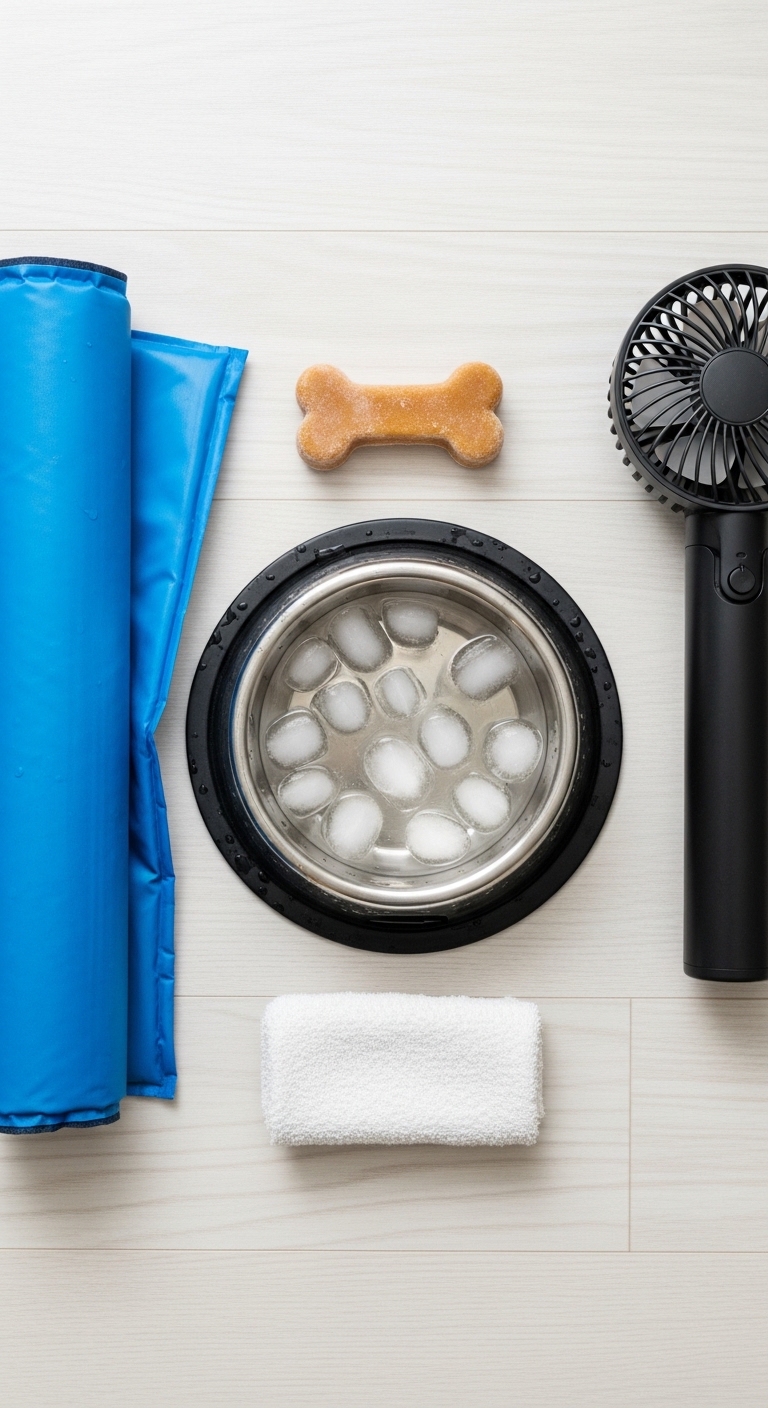
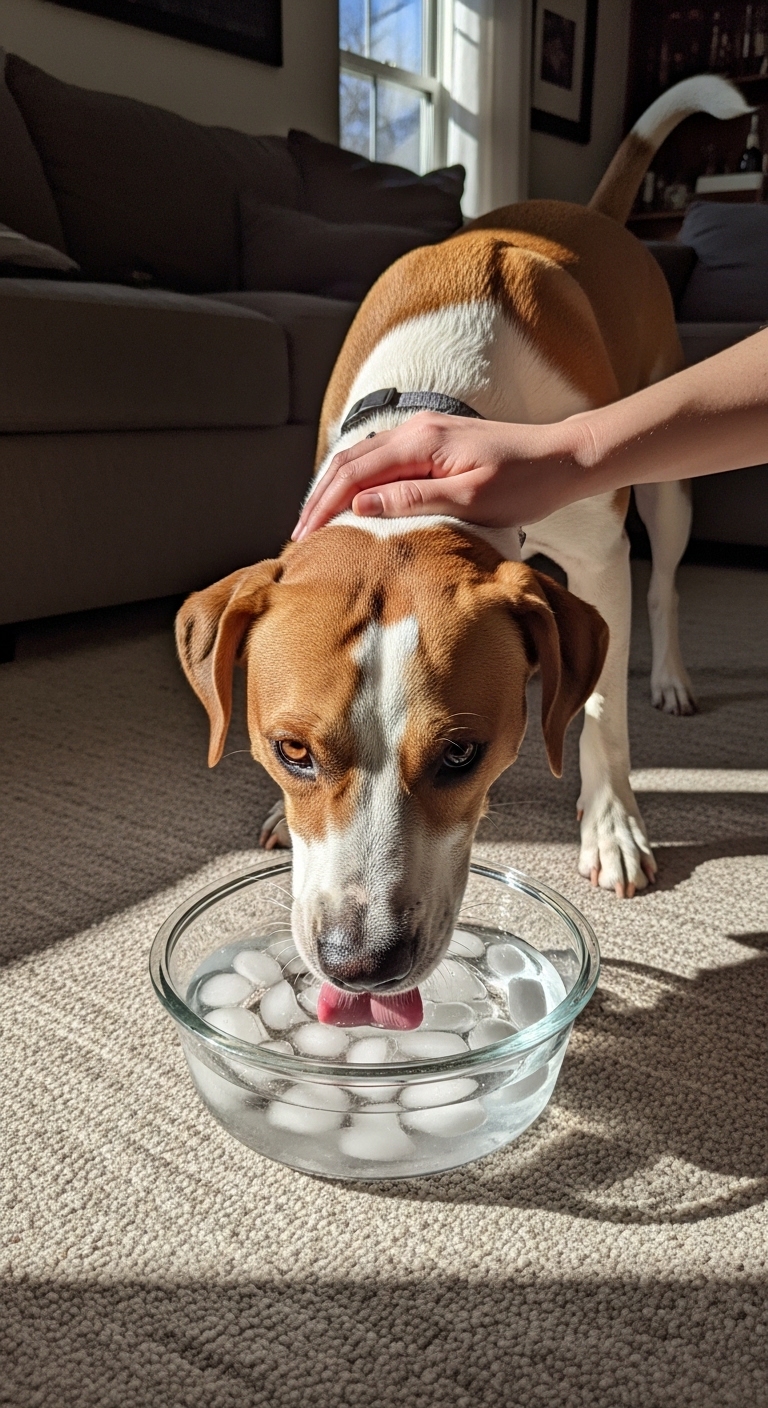
Place a cooling mat or damp towel in their favorite spot: many dogs naturally seek out tile floors or bathtubs when they’re too warm. If you’re gone during the day, leave a fan on low near their resting area, but make sure cords are out of reach. Some dogs enjoy licking ice cubes, which can help lower their body temperature safely. Avoid using fans aimed directly at them if they’re already panting heavily, as this can dry out their nasal passages.
Hydration Matters More Than You Think
Add a splash of low-sodium chicken broth to their water bowl to make it more enticing. If your dog isn’t drinking enough, try offering ice cubes as treats or using a pet water fountain, which many dogs find more appealing. Watch their urine color: dark yellow means they need more water, while clear urine suggests they’re well-hydrated. For active dogs, consider electrolyte solutions made specifically for pets, but avoid human sports drinks, which can contain harmful ingredients.
When to See a Vet
If your dog’s gums are bright red, pale, or blue-tinged, it’s an emergency. Excessive vomiting, diarrhea, or seizures also warrant immediate attention. Even if symptoms seem mild at first, heat stress can escalate quickly. Don’t wait to see if they "get better": heatstroke can cause permanent damage or be fatal. Trust your gut; if something feels off, it’s better to call the vet than to regret not acting sooner.
Keeping your dog safe during the dog days is all about observation and small adjustments. A little extra care now can prevent serious problems later.
Frequently Asked Questions
- → What are the first signs that my dog's summer season is ending?
Watch for reduced panting, increased shedding, and a shift toward calmer indoor routines. These often signal the transition from peak summer activity to fall behaviors.
- → Why does my dog shed more as summer ends?
Increased shedding is a natural response to cooler temperatures and reduced daylight hours. Dogs often 'blow' their undercoat to prepare for winter, which can result in noticeable fur loss.
- → How can I tell if my dog is adjusting to shorter days?
Signs include restlessness in the evening, changes in sleep patterns, or increased clinginess. Some dogs may also show anxiety or lethargy as daylight decreases.
- → Should I change my dog's diet as summer ends?
Adjustments may be needed if your dog's activity level decreases. Consult your vet to ensure their caloric intake matches their reduced energy expenditure during cooler months.
- → What grooming tips help dogs transition from summer to fall?
Increase brushing frequency to manage shedding, check paw pads for cracks from cooler weather, and consider a moisturizing shampoo to soothe dry skin caused by indoor heating.
- → Can seasonal changes affect my dog's behavior?
Yes, shorter days and cooler temperatures can lead to mood shifts, similar to seasonal affective disorder in humans. Providing mental stimulation and maintaining a consistent routine can help ease the transition.